Effective Fat Loss Workouts That You Can Do at Home
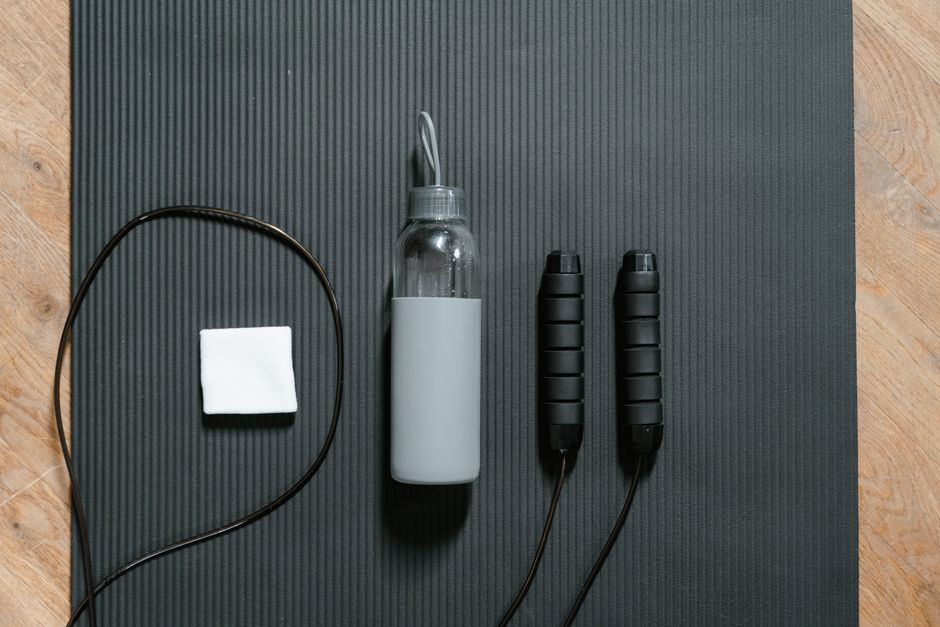
When the goal involves reducing body fat, the environment does not necessarily determine the outcome. Home settings offer a practical space for consistent movement, and high-intensity circuit training provides a structured approach that can be adapted without specialized equipment. The focus of this article is to explore how such workouts are designed, the principles behind their effectiveness, and the factors that contribute to their role in a broader fat loss strategy.
Circuit training involves performing a series of exercises with minimal rest between movements. This format creates a metabolic demand that engages multiple energy systems. When executed with careful attention to intensity and recovery, these sessions can support the body’s natural ability to utilize stored energy. It is important to note that fat loss is influenced by a combination of nutrition, sleep, stress management, and overall activity levels, and no single workout guarantees results. However, understanding the methodology behind home-based circuits can help individuals make informed choices about their training.
This article outlines the key elements of effective fat loss workouts that require only a mat and a willingness to move. The following sections will cover the physiological rationale, the structure of a typical circuit, progression methods, and the role of consistency and recovery. The information is presented as a neutral overview of training concepts, not as personalized advice.
Understanding High-Intensity Circuits for Fat Loss
High-intensity circuits are characterized by brief bursts of effort followed by short recovery periods. This pattern elevates heart rate and increases oxygen consumption during and after the session, a phenomenon sometimes referred to as excess post-exercise oxygen consumption (EPOC). The metabolic effect of this approach can be significant because the body continues to expend energy while returning to its resting state. However, the magnitude of this effect varies based on individual fitness level, intensity of effort, and overall session duration.
When designing a circuit for home use without equipment, the focus shifts to bodyweight movements that challenge large muscle groups. Exercises such as squats, lunges, push-ups, burpees, and planks are common choices. The selection of exercises influences the total energy demand. A well-sequenced circuit alternates between upper body, lower body, and core movements to distribute fatigue and allow for sustained effort. It is the combination of exercise selection, work-to-rest ratio, and effort level that determines the metabolic stimulus, not the presence of equipment.
Importantly, the term “high-intensity” is relative. What feels intense for one person may be manageable for another. Therefore, the same circuit can be approached with different levels of effort depending on the individual’s current capacity. The goal is not to reach a predefined level of exertion but to work at a pace that challenges the cardiorespiratory and muscular systems without compromising form or safety.
Key Principles of Home Fat Loss Workouts
Several principles guide the creation of effective home circuits. The first is progressive overload: gradually increasing the challenge over time. This can be achieved by adding repetitions, reducing rest intervals, increasing the number of rounds, or incorporating more complex movement patterns. Without progression, the body adapts and the metabolic stimulus diminishes. However, progression must be balanced with recovery to avoid overuse injuries or excessive fatigue.
The second principle is specificity: the exercises chosen should align with the intended outcome. For fat loss, circuits that involve multiple joints and large muscle groups tend to be more effective than isolated movements. Movements like squat to overhead press (using bodyweight or household objects) engage the legs, core, and shoulders, creating a higher energy demand than a bicep curl. The selection of compound movements allows for a greater calorie expenditure during the session and supports muscular endurance.
A third principle is variability. Repeating the same circuit week after week can lead to plateaus. Changing exercise order, substituting movements, or altering the work-to-rest ratio can introduce novel stimuli. Variation also helps prevent boredom, which is a common barrier to long-term adherence. The article does not prescribe a specific routine; instead, it highlights that a thoughtful approach to program design can support consistent participation.
Sample Circuit Structure and Execution
A typical home circuit might consist of five to eight exercises performed for a set duration, such as 40 seconds of work followed by 20 seconds of rest. After completing all exercises, a longer rest period of 60 to 90 seconds is taken before the next round. The total number of rounds can range from three to five, depending on the individual’s fitness level and time availability. This structure is one example among many; the exact parameters can be adjusted to suit personal preferences and goals.
To illustrate, a sample circuit could include the following movements: bodyweight squats, modified push-ups (knees or incline), reverse lunges, plank shoulder taps, glute bridges, and mountain climbers. These exercises target the lower body, upper body, core, and posterior chain. The work-to-rest ratio of 40/20 keeps the heart rate elevated while providing enough recovery to maintain form. Each round takes approximately six minutes, so three rounds would total 18 minutes of active work plus rest intervals.
It is crucial to emphasize that execution matters more than speed. Performing each movement through a full range of motion with controlled tempo reduces injury risk and enhances muscle activation. Beginners may start with shorter work intervals (e.g., 30 seconds) and longer rest (e.g., 30 seconds). Gradually, as conditioning improves, the work period can be extended or rest reduced. The individual should listen to their body and adjust accordingly, as external factors such as sleep quality, hydration, and previous activity can affect performance on any given day.
Progression and Variation in Home Workouts
To continue seeing adaptations, the circuit must evolve. One method is to increase the number of rounds or repetitions. Another is to modify the exercise difficulty—for example, transitioning from knee push-ups to standard push-ups, or from lunges to jump lunges if appropriate for the individual’s joint health and stability. The inclusion of explosive movements like burpees or squat jumps can further increase intensity, but they should only be introduced when the basic movement patterns are mastered.
Variation can also come from changing the sequence of exercises, adding new movements, or altering the work-to-rest ratio. For instance, a circuit could be performed in a “ladder” format, where the work time increases each round, or a “pyramid” format where exercises are added and then removed. These approaches change the metabolic demand and challenge the body differently. The key is to apply changes gradually and observe how the body responds.
Another aspect of variation involves incorporating brief periods of isometric holds, such as a plank or wall sit, within the circuit. Isometric exercises can complement dynamic movements by building stability and mental focus. However, they tend to produce less metabolic disturbance compared to dynamic movements, so they should be used strategically. The overall structure should remain balanced, ensuring that no single muscle group is overworked while others are neglected.
The Role of Recovery and Consistency
Recovery is an integral component of any training program. High-intensity circuits place significant stress on the nervous system and muscles. Adequate rest between sessions—typically 48 hours for the same muscle groups—allows for repair and adaptation. Without sufficient recovery, performance declines and the risk of injury increases. Sleep, nutrition, and hydration all contribute to how well the body recovers. It is advisable to schedule rest days or lower-intensity activities such as walking or stretching.
Consistency, rather than occasional extreme efforts, is the foundation of long-term progress. Engaging in home circuits two to four times per week can support metabolic health and body composition changes when combined with a balanced diet and other lifestyle factors. The individual’s ability to maintain a routine over weeks and months often plays a larger role than the specific exercises chosen. Therefore, the focus should be on establishing a sustainable practice rather than seeking rapid results.
In summary, home-based high-intensity circuits offer a practical way to incorporate fat loss training into a daily routine without requiring equipment. The effectiveness of such workouts depends on adherence to principles of progression, variability, and recovery. By understanding these concepts, individuals can design or adapt circuits that fit their current abilities and goals. As with any fitness approach, consulting a healthcare professional before beginning a new exercise regimen is recommended, especially for those with pre-existing conditions.