The Best Home Workouts for Endurance and Stamina Increase

Endurance and stamina are fundamental components of overall fitness. Endurance refers to the ability of the body to sustain prolonged physical activity, while stamina describes the capacity to maintain effort over time. Many people associate building these qualities with gym equipment or long runs, yet effective training can take place entirely at home using minimal or no gear. A well-designed home workout program can support cardiovascular health, muscular endurance, and energy efficiency when approached with consistency and proper technique.
The key to improving endurance and stamina lies in the type of stress placed on the body. Activities that elevate the heart rate for extended periods or challenge the muscles to perform repeated contractions without rest can stimulate adaptations in the heart, lungs, and skeletal muscles. Bodyweight exercises, jump rope routines, and interval sprints are three methods that fit naturally into a home setting. Each approach offers distinct physiological demands, and combining them can create a balanced program that addresses different aspects of endurance.
This article explores how these training modalities work, what factors influence their effectiveness, and how to structure a home routine without specialized equipment. The information is presented to help readers understand the underlying principles, not as a guaranteed prescription. Individual results depend on many variables, including current fitness level, consistency, nutrition, and recovery practices.
Bodyweight Exercises for Cardiovascular Endurance
Bodyweight exercises are movements that use the weight of the body as resistance. When performed in circuits or with minimal rest, they can increase heart rate and maintain it at an elevated level, which is one of the conditions that can lead to improvements in cardiovascular endurance. Examples include squats, lunges, push-ups, burpees, mountain climbers, and plank variations. These movements engage multiple muscle groups simultaneously, raising oxygen demand and challenging the cardiorespiratory system.
To target endurance specifically, the structure of the workout matters more than the choice of any single exercise. A common method is to perform each exercise for a set time period, such as 30 to 60 seconds, followed by a short rest of 15 to 30 seconds, and then move to the next exercise. This format, often called circuit training, keeps the heart rate elevated while allowing partial recovery. Over time, the body may adapt by improving the efficiency of oxygen transport and utilization, which can translate into better endurance during daily activities or sports.
Progression is an important consideration. Increasing the duration of work intervals, decreasing rest periods, or adding more challenging variations of exercises are ways to continue stimulating adaptation. For example, a standard squat can be replaced with a jump squat or a lunge can be performed as a walking lunge to increase intensity. It is also possible to combine bodyweight exercises with other modalities, such as jump rope, to create a more varied stimulus. The goal is not to exhaust oneself in a single session but to gradually build the capacity to sustain effort over weeks and months.
Jump Rope Techniques for Stamina
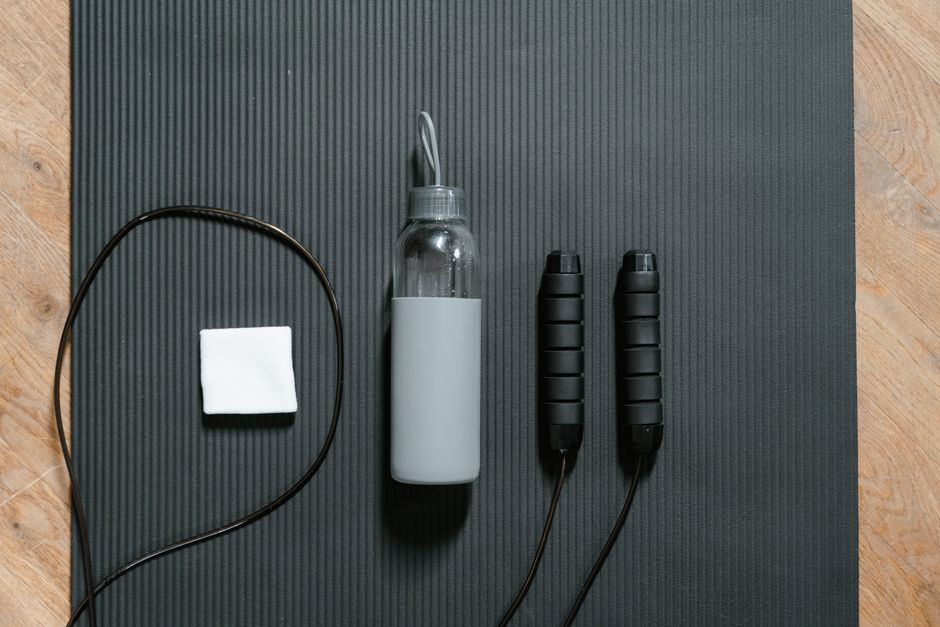
Jump rope is a portable and effective tool for developing stamina. The activity requires coordination, rhythm, and continuous movement, which can keep the heart rate in a moderate to high zone depending on the pace and style. Basic two-foot jumps, alternate foot steps, and high knees are common techniques that vary the intensity and muscle recruitment. Jump rope also engages the calves, shoulders, and core, providing a full-body component while primarily taxing the cardiovascular system.
The duration and pattern of jump rope sessions can be adjusted to suit different fitness levels. Beginners might start with intervals of 30 seconds of jumping followed by 30 seconds of rest, gradually increasing the work-to-rest ratio. More advanced individuals may perform longer continuous sets, such as three to five minutes without stopping, or incorporate double unders (where the rope passes under the feet twice per jump) to increase intensity. Because jump rope is high-impact, surface choice and footwear can influence comfort and injury risk. A mat or soft surface may help reduce stress on joints when jumping frequently.
Including jump rope within a home endurance program can complement bodyweight circuits. For instance, a session might alternate between bodyweight exercises and short jump rope intervals. This variation prevents monotony and challenges the body to adapt to different movement patterns. The key is to focus on form and breathing rhythm rather than speed alone. Controlled, steady breathing during jumping can support sustained effort and help manage fatigue over longer periods.
Interval Sprints at Home
Interval sprints involve short bursts of high-intensity effort followed by recovery periods. At home, these can be performed using space-limited movements such as high knees, butt kicks, shuttle runs in a hallway, or stationary sprinting in place. The aim is to reach a near-maximal effort for a brief period, typically 10 to 30 seconds, then allow the heart rate to drop during a rest interval of 30 to 90 seconds. This pattern can stimulate improvements in both aerobic and anaerobic systems, which play roles in overall stamina.
The physiological rationale behind interval training is that it exposes the body to high levels of oxygen debt and metabolic stress. Over time, repeated exposure can enhance the body’s ability to clear lactate and utilize oxygen more efficiently. For home settings, interval sprints do not require a treadmill or outdoor track. Simple directional changes or high-intensity calisthenics can replicate the effort. For example, performing 20 seconds of explosive mountain climbers followed by 40 seconds of walking in place can create a similar effect to running sprints.
When incorporating interval sprints into a routine, warm-up and cool-down phases become especially important. A gradual ramp-up of intensity helps prepare muscles and joints for the sudden demands, while a cool-down with light movement and stretching may support recovery. The frequency of interval sessions should be balanced with lower-intensity endurance work to avoid excessive strain. Typically, two to three interval sessions per week can be sufficient to contribute to stamina development without overtraining.
Structuring a Home Workout Routine
Putting together a home workout plan for endurance and stamina requires consideration of frequency, intensity, duration, and progression. A balanced schedule might include three to five sessions per week, with each session lasting between 20 and 45 minutes depending on the individual’s current capacity. The specific combination of bodyweight exercises, jump rope, and interval sprints can be arranged in various ways to target different energy systems.
One possible structure is a weekly rotation. For instance, Monday could focus on a bodyweight circuit with moderate intensity and longer duration. Wednesday might involve jump rope intervals with a focus on maintaining a steady pace. Friday could feature sprint intervals with longer recovery periods. On other days, low-intensity activities such as walking or gentle stretching can be included to promote active recovery. The exact distribution can be adjusted based on how the body responds and personal preferences.
Progression is not linear and depends on factors like sleep quality, nutrition, stress levels, and overall health. Monitoring perceived exertion and tracking workouts over time can provide useful feedback. Increasing the work-to-rest ratio, adding repetitions, or reducing rest intervals are common ways to progress. However, it is not necessary to increase every session; some sessions can be maintained at a comfortable level to allow for recovery and consistency. The aim is to create a sustainable routine that can be maintained over months rather than a short-term push.
Recovery and Long-Term Considerations
Endurance and stamina improvements occur during rest, not during the workout itself. Recovery periods allow the body to repair muscle tissue, replenish energy stores, and adapt to the training stress. Adequate sleep, hydration, and nutrition are supporting factors that influence how well the body adapts. Without sufficient recovery, performance may plateau or decline, and the risk of overuse injuries can increase.
For home workout routines, it is easy to overlook recovery because there is no gym closure or session end time. Setting clear boundaries, such as designating rest days and avoiding high-intensity sessions on consecutive days, can help maintain balance. It is also useful to vary the intensity between sessions. A common approach is to follow a hard day with an easy day, where the easy day involves lower intensity or shorter duration. This pattern allows the body to adapt without accumulating excessive fatigue.
Long-term progress in endurance and stamina typically requires patience and consistency. Small, incremental changes in workout volume or intensity are more sustainable than large jumps. Individuals may notice improvements in how they feel during daily activities, such as climbing stairs or carrying groceries, before seeing changes in formal test measures. The process of building endurance is gradual, and the most important factor is showing up regularly over weeks and months. By focusing on the methods described here and listening to the body’s signals, a home training approach can contribute to meaningful improvements in fitness.